


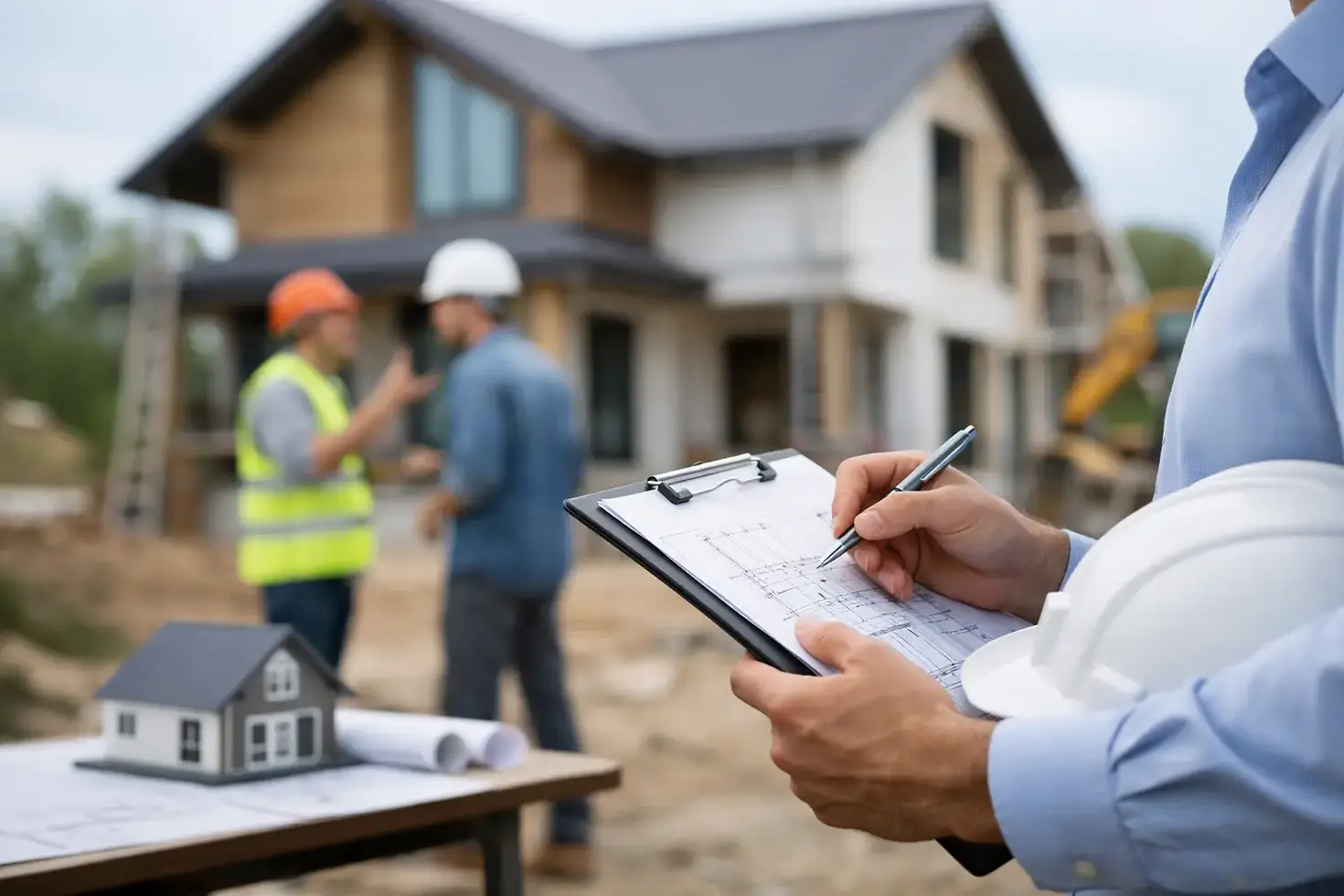
How to Choose the Best Residential Construction Companies

Choosing a builder is not like choosing a vendor for a simple home service. When you hire one of the best residential construction companies, you are trusting a team with your budget, your property, your timeline, and the way your home will function for years to come. That decision affects far more than finishes - it shapes the entire building experience, from planning and permits to communication and final quality.
For homeowners and property investors in Los Angeles, the stakes are even higher. Local regulations, permitting requirements, design expectations, and construction costs make it essential to work with a company that is organized from the start. The right contractor does more than build. It coordinates people, protects the schedule, manages trade partners, and keeps the project moving with clarity.
What sets the best residential construction companies apart
The strongest companies are rarely defined by marketing alone. What matters is how they manage real projects under real conditions. A polished website can be helpful, but it does not tell you how a builder handles budget pressure, permit delays, change orders, or field coordination.
The best residential construction companies tend to share a few clear traits. They are licensed and insured, they communicate consistently, and they can explain their process in plain language. They also have a system for pre-construction planning, site supervision, scheduling, and quality control. That structure matters because residential projects involve many moving parts, and small mistakes early on often become expensive later.
A dependable company also understands the balance between design and execution. A beautiful plan on paper is only valuable if it can be built correctly, on budget, and within a realistic timeline. Builders who work closely with architects, engineers, and project managers usually create a more controlled experience because decisions are coordinated instead of handled in isolation.
Look beyond price when comparing builders
It is natural to compare estimates, but low pricing alone is not a reliable sign of value. In residential construction, a cheap proposal can sometimes reflect missing scope, unrealistic allowances, weak planning, or an attempt to win the job before costs are fully understood. That often leads to frustration once construction begins.
A stronger approach is to compare what each company is actually offering. One estimate may include better project supervision, more complete scheduling, and clearer scope definitions. Another may appear lower but leave room for costly surprises. The difference is not always visible at first glance.
This is where experience matters. Established builders know how to price work with greater accuracy because they understand site conditions, sequencing, material realities, and labor demands. They are more likely to identify risks early and discuss them before they become change orders.
Pay attention to how a contractor talks about cost control. A professional builder should be able to explain allowances, exclusions, payment schedules, and how scope changes are handled. If those conversations feel vague, the project may become vague too.
Why project management matters as much as craftsmanship
Homeowners often focus first on visible results - cabinetry, flooring, layout, exterior finishes. Those elements matter, but they are only part of the equation. Great craftsmanship without strong project management can still produce a stressful experience.
Residential construction depends on timing, coordination, and accountability. Materials need to arrive when crews are ready. Inspections need to be scheduled at the right point. Design clarifications need to happen before work reaches the field. When those steps are not managed carefully, delays build quickly.
The best residential construction companies usually have a clear point of contact and a defined communication process. That means you know who is responsible, when updates will be provided, and how decisions will be documented. This level of organization reduces confusion and helps clients feel informed instead of chasing answers.
For larger remodels, additions, or ground-up homes, that structure is especially valuable. The more complex the project, the more important it is to have a builder that can oversee every phase with discipline and consistency.
Signs a residential builder is prepared for your project
A qualified contractor should be able to discuss your project in practical terms from the first consultation. That includes the likely scope, permitting path, site considerations, structural requirements, and realistic timeline. They do not need every answer on day one, but they should show a clear understanding of how projects move from concept to completion.
Preparation often shows up in simple ways. Are they asking smart questions about your goals, budget, and property conditions? Are they identifying possible constraints early? Do they explain the next steps clearly? Builders who take pre-construction seriously tend to produce smoother results because they are not improvising after demolition starts.
It also helps to look at the company's range of services. A builder that can support design coordination, engineering, permitting, and construction under one roof may reduce friction during the project. That does not mean every project needs a single-source approach, but for many homeowners, it creates a more accountable process.
In a market like Southern California, local knowledge is another advantage. A company familiar with regional permitting, neighborhood conditions, and code requirements can often anticipate issues sooner. That kind of foresight protects both schedule and budget.
Questions to ask before hiring one of the best residential construction companies
The interview process should go beyond asking for a price. You want to understand how the company works when the project becomes complicated, because nearly every construction project has moments that require quick, informed decision-making.
Ask who will supervise the work on site and how often that person will be present. Ask how schedule updates are communicated. Ask how unforeseen conditions are documented and priced. Ask what parts of the project are handled in-house versus through trade partners. These questions reveal whether the company operates with structure or simply reacts as issues come up.
You should also ask about licensing, insurance coverage, and experience with projects similar to yours. A builder who excels at cosmetic remodels may not be the right fit for a full addition or a ground-up custom home. Capability needs to match complexity.
Another useful question is how the company approaches planning before construction begins. Builders that prioritize site review, scope definition, and coordination with designers usually create fewer surprises later. That is often one of the clearest differences between an average contractor and a trusted construction partner.
Red flags homeowners should not ignore
Poor communication early in the process rarely improves once construction begins. If a company is slow to respond, unclear in its proposal, or inconsistent in the information it provides, that pattern may continue throughout the project.
Another red flag is an estimate that feels unusually low without a clear explanation. While everyone wants value, pricing that does not reflect the actual complexity of the work can lead to shortcuts, disputes, or cost escalation later. You want honesty, not optimism.
Be cautious if the builder cannot explain timeline expectations in a realistic way. Construction schedules depend on many variables, but experienced professionals know how to outline probable durations and discuss what may affect them. Overpromising speed is often a warning sign.
It is also worth noticing whether the company takes responsibility for process. Strong builders do not blame every problem on the city, suppliers, or subcontractors. They recognize that managing those variables is part of the job.
Choosing a company that fits your goals
Not every homeowner needs the same kind of builder. A kitchen remodel, a second-story addition, an ADU, and a custom home all require different levels of planning and oversight. The best choice depends on the scale of your project, the level of design involvement, and how much coordination is required.
That is why fit matters as much as reputation. You want a construction company that understands your priorities and has a process built around them. If your main concern is budget discipline, look for clear scope management and transparent cost discussions. If your project is design-driven, prioritize a team that works well across architecture, engineering, and field execution. If speed matters, focus on scheduling discipline and decision-making structure.
For many Southern California property owners, the strongest choice is a builder that combines craftsmanship with dependable project leadership. A company like Pars Builders is positioned around that full-project approach, which can be especially valuable when clients want both careful planning and accountable execution.
A well-run residential project should feel organized, not chaotic. The right builder will give you confidence before construction starts and keep earning it as the work progresses. If a company demonstrates professionalism, coordination, and clarity from the first conversation, that is usually a strong sign you are looking in the right place.
The best result is not just a finished home. It is a process that respects your investment, protects your time, and delivers work you can trust long after the project is complete.


Comments