


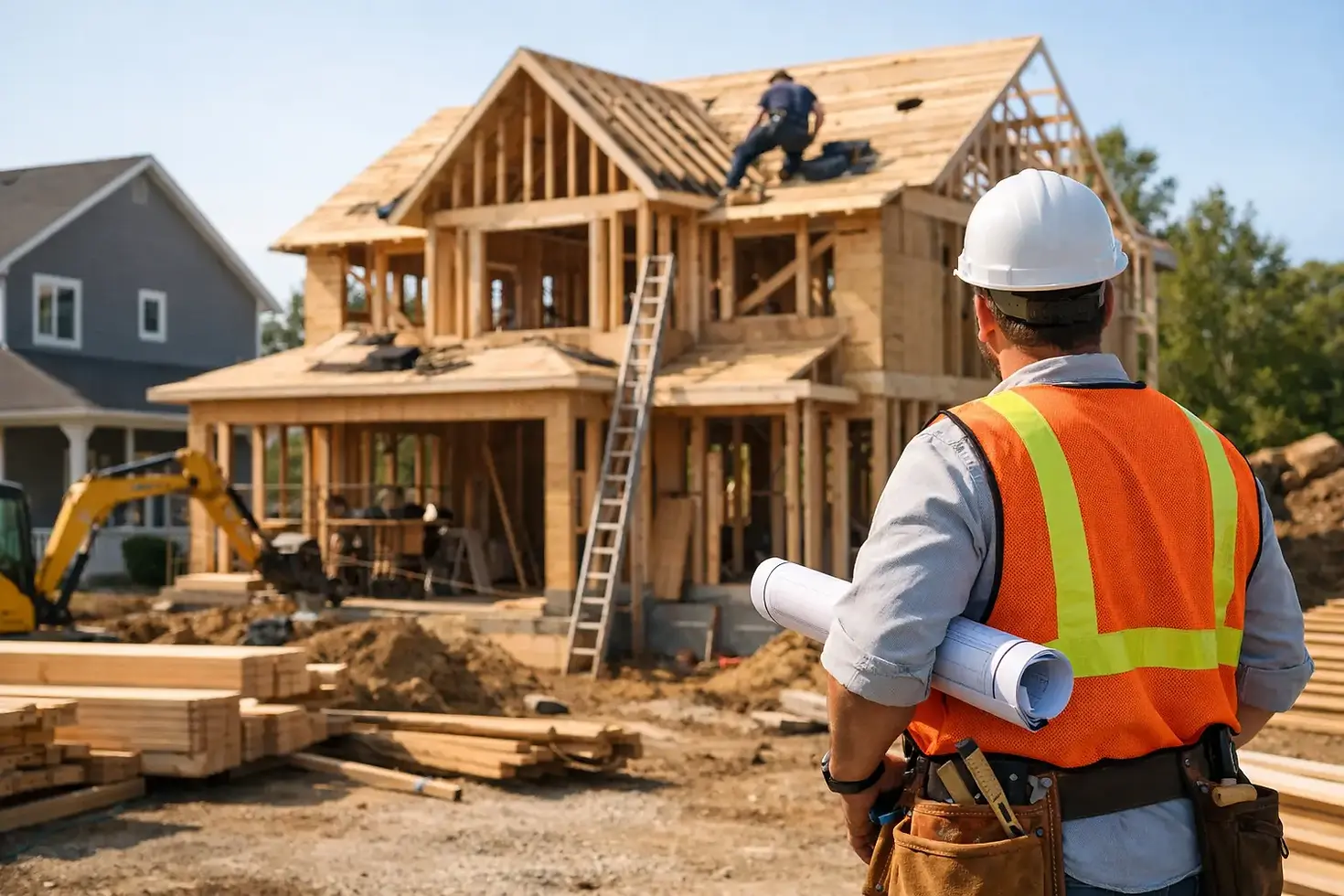
What Is Residential Construction?

A home project can look simple from the street and still involve months of coordination behind the scenes. That is why one of the most useful starting points for any homeowner or investor is understanding what is residential construction and what it actually covers.
Residential construction is the planning, design, building, renovation, and improvement of spaces where people live. That includes new custom homes, room additions, kitchen and bathroom remodels, garage conversions, ADUs, structural updates, and full-home renovations. In practical terms, it is the entire process of turning a residential property into a finished, functional living space that meets code, supports daily life, and aligns with the owner’s goals.
For property owners in Los Angeles, that definition matters because residential work is rarely just about one trade or one phase. Even a focused remodel can involve design review, engineering, permitting, demolition, framing, electrical, plumbing, inspections, finish work, and final quality control. When those moving parts are coordinated well, the project feels organized. When they are not, timelines stretch and costs become harder to control.
What residential construction includes
Residential construction covers a wide range of project types. At one end, it includes ground-up home building, where the property starts as a vacant lot or a site cleared for new construction. At the other end, it includes improvements to an existing home, such as replacing outdated finishes, reworking a floor plan, or expanding square footage.
Most homeowners encounter residential construction through remodeling and additions. A kitchen renovation, for example, may involve demolition, cabinetry, electrical upgrades, plumbing relocation, flooring, lighting, and finish selections. A room addition may require foundation work, framing, roofing, insulation, windows, HVAC coordination, and exterior matching so the new space feels integrated with the existing home.
In Southern California, ADUs are another major part of residential construction. These projects often combine smart design with strict code compliance. They can create rental income, add flexible living space, or improve long-term property value, but they also require careful planning around lot conditions, utility access, setbacks, and local approval requirements.
What is residential construction vs. commercial construction?
The difference comes down to use, code requirements, project priorities, and building systems. Residential construction is focused on places people live, such as single-family homes, duplexes, townhomes, and certain multifamily properties. Commercial construction is built around business use, such as offices, retail spaces, restaurants, and industrial facilities.
That distinction affects everything from permitting to occupancy requirements. Residential projects usually prioritize comfort, layout efficiency, durability, and aesthetics in a living environment. Commercial work often places heavier emphasis on operational flow, public access, specialized systems, and business continuity.
There is some overlap in process because both require planning, licensed trades, inspections, and schedule management. But residential construction tends to be more personal. Homeowners are not just approving a scope of work. They are shaping the place where they live, gather, and invest.
The main phases of a residential construction project
Every project is different, but most residential construction follows a clear sequence. It starts with defining the scope. That means identifying what needs to be built or changed, what the budget looks like, and what outcomes matter most. Some clients want more square footage. Others want better flow, updated finishes, improved functionality, or a property positioned for resale.
From there, the project moves into design and pre-construction. This phase may include site assessments, measurements, architectural planning, engineering input, feasibility review, and early budget alignment. This is where strong coordination pays off. Decisions made here affect cost, schedule, and constructability later.
Next comes permitting and approvals. In Los Angeles and surrounding areas, this step can be substantial depending on the type of work. Structural changes, additions, ADUs, and new construction often require detailed plans and city review. Skipping or rushing this phase is where many projects begin to lose time.
Once permits are in place, construction begins. That may start with demolition, site prep, or grading, followed by structural work, rough-in trades, inspections, insulation, drywall, finishes, fixtures, and final punch-list items. The visible transformation tends to happen in this stage, but it depends on the groundwork being handled correctly.
The final phase is project closeout. That includes inspections, corrections if needed, cleanup, and making sure the finished space matches the approved scope and quality expectations.
Why planning matters more than most people expect
The biggest misconception about residential construction is that the build itself is the hard part and everything else is secondary. In reality, projects usually succeed or struggle based on pre-construction planning, communication, and management.
A well-planned project helps answer the questions that create delays later. Are the drawings complete? Have finish selections been made on time? Is the structural approach clear? Are materials available within the schedule? Has the scope been priced accurately enough to avoid major surprises?
This does not mean every variable can be controlled. Existing homes often reveal hidden conditions after demolition, especially in older properties. You may find outdated wiring, plumbing issues, framing inconsistencies, or unpermitted prior work. The goal is not to eliminate every unknown. The goal is to have an experienced team that can identify issues early, communicate clearly, and adjust without losing control of the project.
Budget, timeline, and quality all affect each other
Many clients start with the same question: how much will it cost? That is a fair question, but residential construction works best when budget is discussed alongside timeline and quality expectations.
If the budget is tight, the project may need a more selective scope, alternative materials, or phased execution. If the timeline is aggressive, material lead times and labor scheduling become more critical. If premium craftsmanship and custom finishes are the priority, that should be reflected in both planning and budget.
There is always a balance. Fast is not always best. Lowest price is not always lowest cost once change orders, delays, and rework enter the picture. Strong residential construction management is about aligning these variables early so the project can move forward with fewer surprises.
Permits, codes, and licensed execution
Residential construction is not just a design exercise. It is regulated work that must meet safety and code requirements. Depending on the project, that may involve structural standards, energy compliance, fire safety, electrical code, plumbing code, and local zoning rules.
For homeowners, this is one of the clearest reasons to work with a licensed and insured contractor. Proper licensing helps protect the client and supports accountability. Insurance matters. So does experience with local jurisdictions, inspections, and documentation.
This is especially important for additions, ADUs, and projects that alter structural elements or major systems. What looks like a simple expansion can trigger technical requirements that affect design, approvals, and cost. Having architects, engineers, and project managers working in coordination can make the process much more predictable.
What to look for in a residential construction partner
Not every contractor approaches projects with the same level of planning or oversight. Some are strong in one trade but limited in full-project coordination. Others can manage the complete process from consultation through completion.
For most property owners, the right partner is one that communicates clearly, provides realistic expectations, and stays organized from pre-construction through final delivery. Look for a team that treats the project as a system, not a collection of disconnected tasks. That means attention to schedule, budget discipline, trade coordination, site supervision, and finish quality.
It also helps to choose a company that understands the local market. In a place like Los Angeles, site conditions, permitting pathways, neighborhood context, and property goals all shape the right construction approach. A full-service team such as Pars Builders can bring that coordination under one roof, which often reduces friction between design decisions and field execution.
Why residential construction is really about long-term value
A successful residential project should do more than look good on completion day. It should improve how the property functions, how it feels to live in, and how it performs over time. Sometimes that value is emotional, like creating a better family layout or a more comfortable home. Sometimes it is financial, like adding usable square footage, improving resale appeal, or creating ADU income potential.
The right construction approach depends on the property, the budget, and the purpose of the investment. A cosmetic remodel and a structural reconfiguration are not managed the same way. A forever home and an income property are not designed with the same priorities. That is why experience, planning, and communication matter so much from the start.
If you are considering a remodel, addition, new build, or ADU, understanding the process is the first step toward making smarter decisions. Residential construction is not only about building walls and finishes. It is about creating a space that is built correctly, managed carefully, and designed to serve you well long after the work is done.


Comments